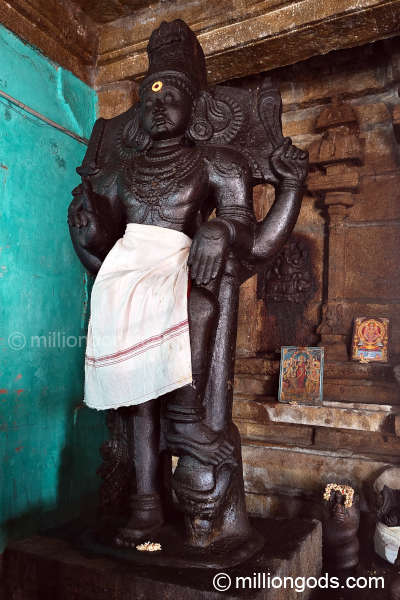
Other Deities Vinayakar, Nalvar, Saptamadar, Kasi Viswanathar, Visalakshi, Muruga with consorts, Gnanadandayudhapani, Gajalakshmi, Navagraha, Shiva and Parvati on Rishabavahana. Sanctum Niches – Dakshinamurthy, Lingotbavar, Brahma, Chandikeswara. Sanctum Niche of Goddess – Durga, Chandikeswari
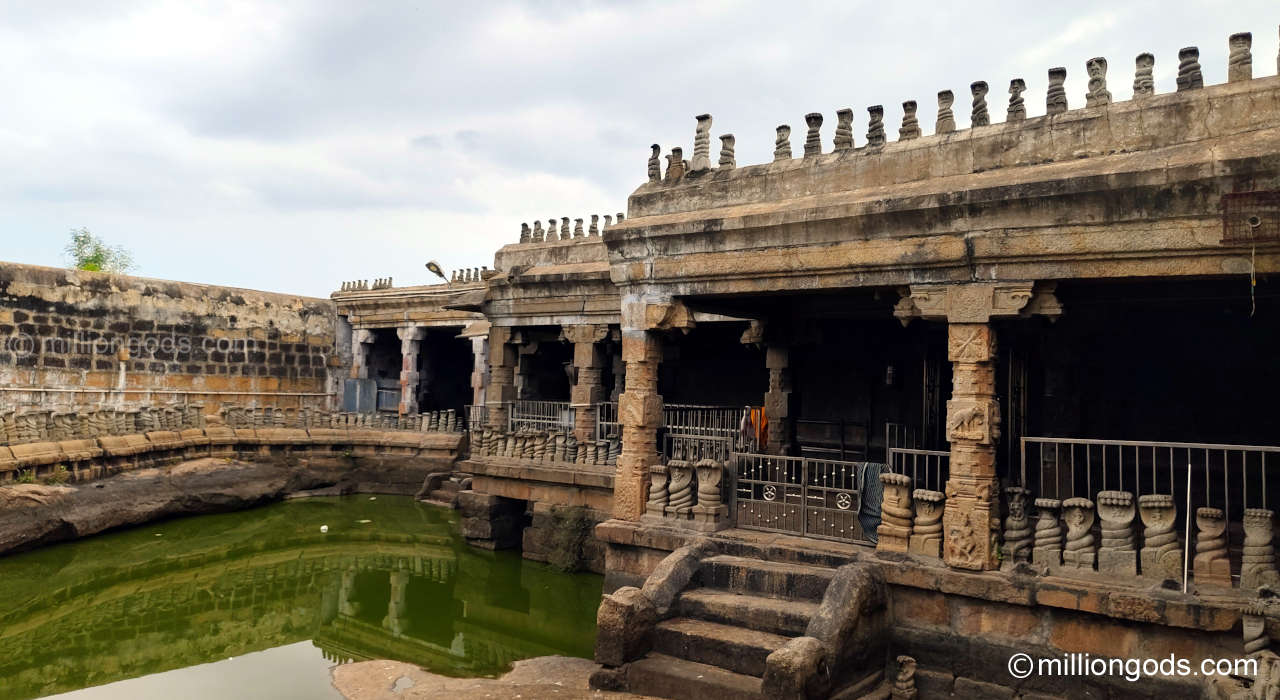
Naganadar, Peraiyur is an ancient east facing temple with a 3 tiered Rajagopuram on the east. There are 2 Prakarams. A rock pond is inside and gives a unique character to this wonderful temple. The front of the temple have Mantapas with a line of Naagar idols on top and also on the top of the bank of the pond. The temple’s front is built to align around the pond. There are two large Dwarapalakas at the entrance of the sanctum sanctorum of the main deity. The mantapam in front of the Sanctum sanctorum leads straight to the pond and has steps leading down. The Nataraja idol here is a beautiful and large one as is the Lingotbavar. There is a underground cavern here near the rock pond. It is said that the music of Nadaswaram and accompaniments is heard once in a year between March and April from this cavern.
Holy Water – Temple Tank
Holy Tree – Vilwam (Aegle marmelos)
History
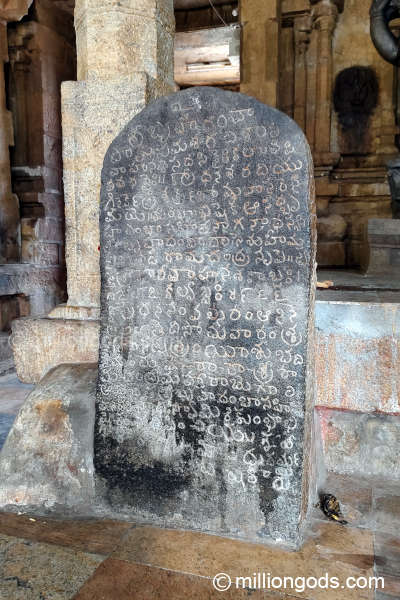
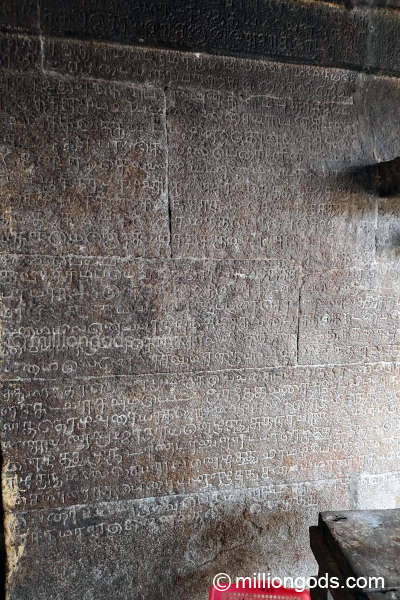
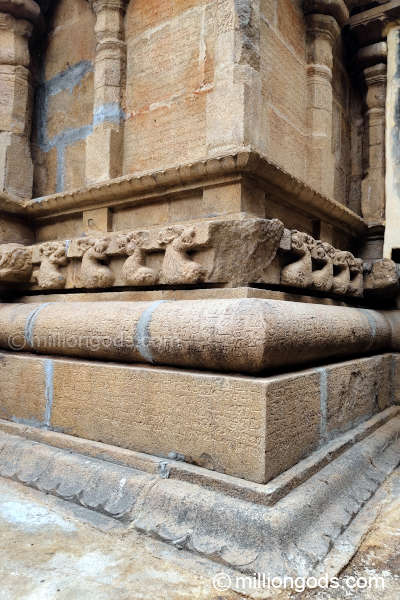
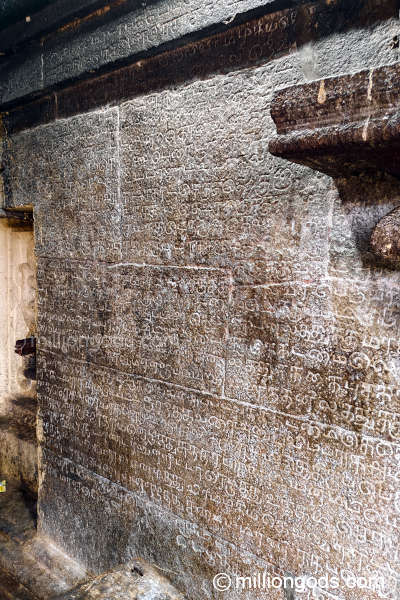
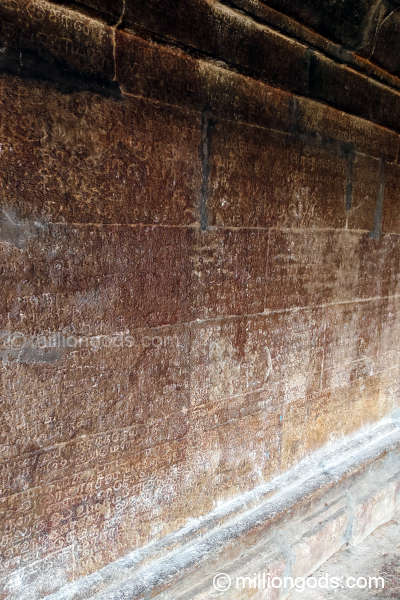
Naganadar, Peraiyur is an ancient temple as is evident from the architecture and the large number of inscriptions found all around the sanctum sanctorum walls and other places. The temple goes back to the Pandya era. In the historical information board kept here it says the temple was built by a Pandya King called Suvetaketu. A mention of Naganadar, Peraiyur is there in ‘Soodhasamhidhai’ written by Sage Vyasa. Its is said there that Sage Agastya explains the greatness of this temple to Sage Gautama.
The oldest portion of the temple is the western gopuram behind the sanctum going back to the 10th century built by the Chola kings. An inscription of Rajendra Chola I (1012-44) indicates that the temple was originally a Chola construction of the 10th century. It was later renovated in the 12th or 13th century CE. There are other Chola and Pandya inscriptions belonging to the 13th century. The existing Sanctum Sanctorum is a Pandya structure of the 12th – 13th century CE. The shrine of the Goddess is said to belong to the Vijayanagara Period (15th – 16th century CE. The last renovations were done during the reign of Ramachandra Tondaiman (1834-1886 CE).
Legend
The phenomenon of the musical sound coming from the cavern near the pond is said to resemble the sound of both stringed and percussion instruments. It is believed by the faithful to be the accompaniment for the worship of Siva by Adisesha, the serpent-king. The musical emanations are heard for a day or two when the receding waters of the pond touch a particular level. At its loudest, the music is said to be audible even outside the temple walls.
Directions
Naganadar, Peraiyur is about 13 kilometers west of Pudukottai on the Pudukottai to Ponnamaravathi road.
Food and Stay
None locally. The closest place for food and stay would be Pudukottai.